Change is easy to mandate. It is hard to live. Anyone who has led a transformation initiative across multiple markets knows this intuitively: the strategy looks elegant on a slide, but the moment it touches real organizations, real people and real cultures, it becomes something altogether messier and more human.
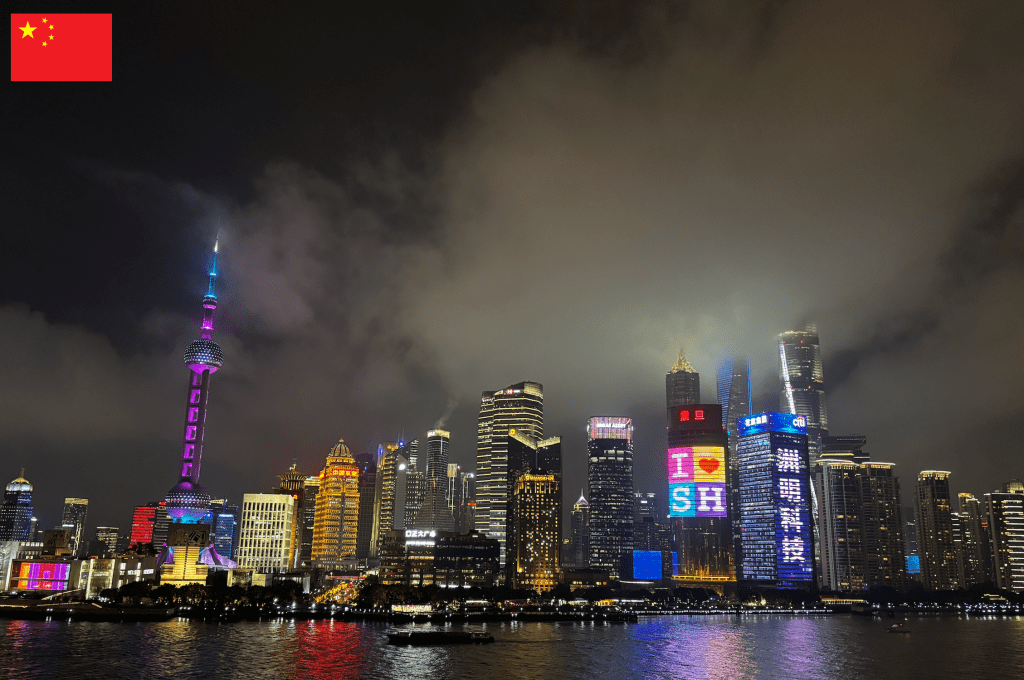
I recently returned from a 10-day leadership trip across Shanghai, Seoul, and Tokyo, visiting the teams which are driving the global strategy across Asia-Pacific. What I witnessed in those three cities reinforced something I had long suspected:
The most underrated variable in any large-scale change program is not the strategy itself, but the cultural soil into which it is planted.
John Kotter understood this. His 8-Step Model for Leading Change, first published in Leading Change (1996) and refined over the decades since, remains one of the most enduring frameworks in organizational transformation.
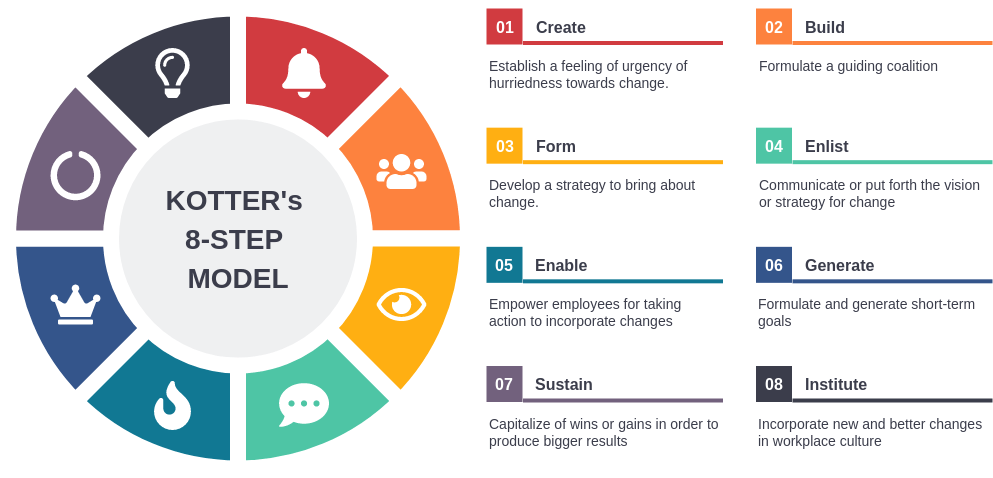
But even within Kotter’s model, one step is consistently rushed, glossed over, or treated as a communications exercise rather than the deep organizational work it truly demands: Step 8, Anchoring New Approaches in the Culture.
This piece is about why culture is not a soft factor in change management, it is the hard factor. And why getting it right, especially across diverse global markets, may be the defining leadership challenge of our time.
What Kotter’s Model Teaches & What Not
Kotter’s 8-Step Model is powerful precisely because it is honest about the difficulty of change. It does not promise that good strategy is sufficient; it insists that execution, coalition-building, and cultural embedding are the real work.
And it is explicit that most change efforts fail not in the planning but in the follow-through: particularly in Steps 7 and 8.
What my APAC experience adds to this is a layer of geographic and cultural specificity that any global change leader needs to hold alongside the framework:
- The same change initiative will land differently in different cultural contexts. Not just in terms of communication style, but in terms of what the change actually means to people. What it asks them to give up, what it promises them in return and how it maps onto their existing identity and values.
- Removing barriers (Step 5) requires understanding which barriers are structural and which are cultural. Structural barriers (compliance, infrastructure, product gaps) require systemic solutions. Cultural barriers require time, trust, and translation –> they cannot be accelerated by mandate.
- Short-term wins (Step 6) need to be locally meaningful. A metric that signals success in Seoul may be irrelevant in Tokyo. Change leaders need local partners who know which wins will resonate and have the courage to celebrate them in culturally appropriate ways.
- Anchoring change in culture (Step 8) is not a communications exercise. It is the cumulative result of consistent behaviour, visible leadership modelling and enough time for new habits to replace old ones. In high-context cultures like Japan, this process is longer and requires more patience than many global programs are designed to accommodate.
My learning: perfect is the enemy of good, but being culturally aware is a requisite of making lasting-change happen!
 postnovo
Leave a comment